Beyond Pride Month: Understanding Transgender Day of Remembrance, November 20

Mimie Lund
Vice President, In-Person Qualitative Research

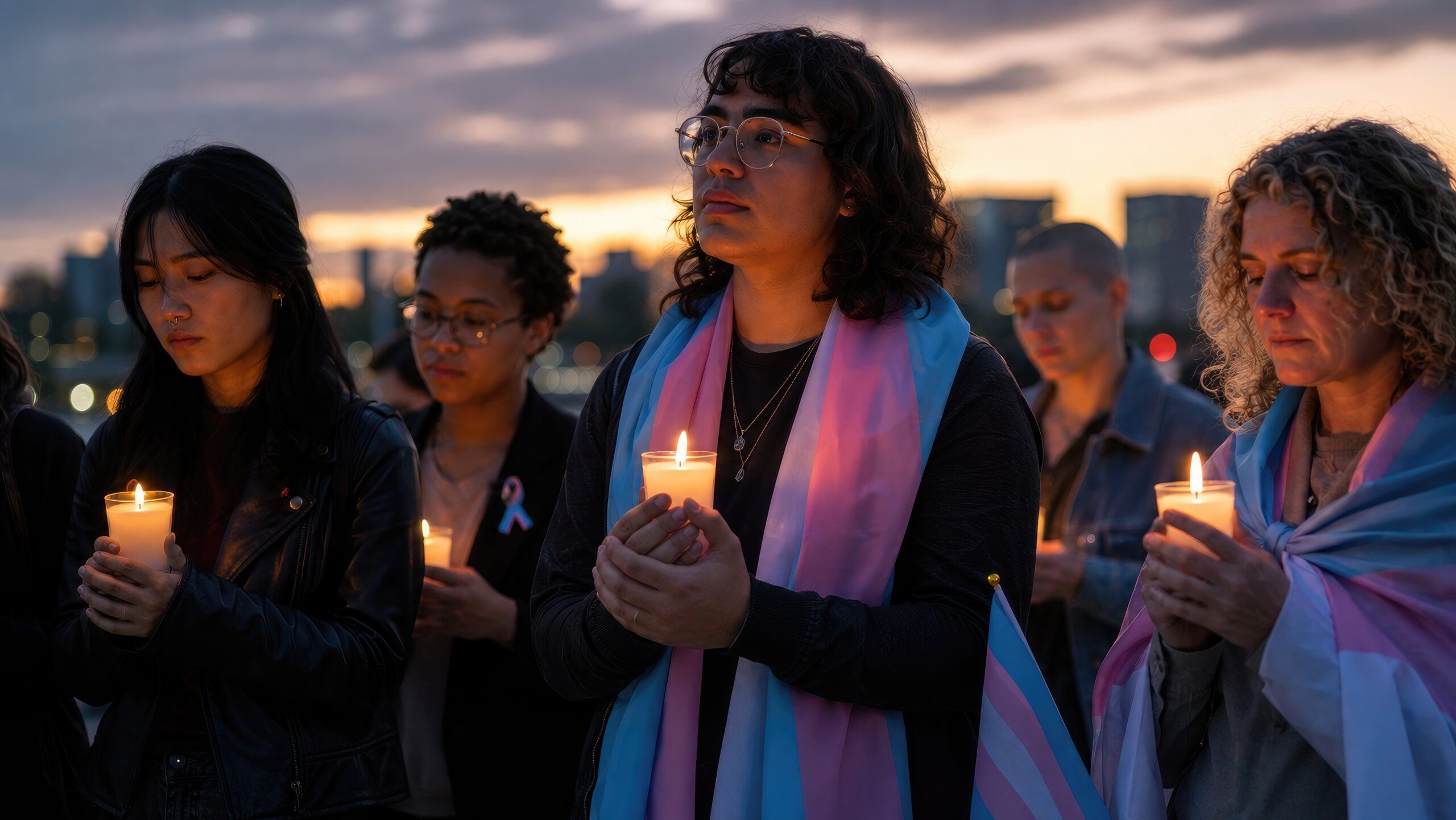
Transgender Day of Remembrance (TDOR) is observed around the world on November 20 to honor transgender people whose lives have been lost to anti-transgender violence. TGEU’s 2026 Trans Murder Monitoring update recorded 273 transgender and gender-diverse people reported murdered worldwide between October 1, 2025, and September 30, 2026. The project has documented more than 5,500 murders in total. These figures likely understate the full toll because some cases go unreported or victims are not identified as transgender.
How TDOR started
In 1999, transgender advocate Gwendolyn Ann Smith organized a vigil in San Francisco to honor Rita Hester, a Black transgender woman who had been murdered in 1998. The gathering commemorated Rita’s life and other transgender people lost to violence. Today, organizations around the world observe TDOR to honor those lives and draw attention to continuing violence.
Ongoing violence, still likely underreported
TGEU’s 2026 report documented murders in 35 countries, the second-highest number of countries recorded in a single reporting period. The organization cautions that gaps in reporting and the misidentification of victims make the full scale of violence difficult to measure.
Separately, in the U.S., the Human Rights Campaign Foundation’s 2025 report documented at least 27 cases of fatal violence against transgender and gender-nonconforming people during its 2024–2025 reporting period. That brought its documented total since 2013 to 399 cases as of that report. Black transgender women and other transgender people of color accounted for a disproportionate share of those documented deaths. Firearms were involved in most of the cases tracked since 2013.
Misgendering or deadnaming victims—referring to them by the wrong gender or by a former name they no longer use—can compound the harm to families and communities and contribute to gaps in public reporting. These documented figures should not be mistaken for a complete count, and they do not establish a motive in every case.
Understanding the broader context
The role of legislation, stigma, and rhetoric: TGEU and HRC identify discrimination, hostile rhetoric, and structural barriers as concerns for transgender people’s safety. In the U.S., debates and restrictions involving healthcare, schools, identification documents, and public accommodations continue to shape the environment for transgender people. As of November 17, the Trans Legislation Tracker listed 63 bills it classifies as anti-transgender as passed in 2026. These policies and broader social conditions warrant attention, although no single measure can explain an individual act of violence.
Shifting public attitudes: A 2025 Pew Research Center survey found that 56% of U.S. adults supported policies protecting transgender people from discrimination in jobs, housing, and public spaces, down eight percentage points from 2022. At the same time, support for several restrictions increased. Another Pew survey found that 77% of Americans believed transgender people face at least some discrimination. These findings underscore the need for thoughtful public education and continued dialogue.
Why it matters
Those we remember are members of our families, communities, and workplaces. They are our parents, siblings, children, friends, and neighbors, as well as our colleagues, vendors, clients, and consumers. For organizations, understanding transgender people’s lived experiences is an important part of creating environments where everyone is treated with dignity and respect.
Ways to offer meaningful support
- Revisit hiring, benefits, and grief-support policies to ensure they support transgender employees and their families.
- Make TDOR part of ongoing diversity, equity, and inclusion (DEI) and LGBTQ+ initiatives rather than a one-day acknowledgment.
- Consider creative and restorative ways for employees or community members to remember those lost, such as a mural, remembrance wall, or art-making session.
- Attend a vigil, support employees who wish to organize or attend one, or consider offering space for a gathering.
- Be an ally: educate yourself about transgender issues, challenge transphobic content, and listen to transgender people about what meaningful support looks like.
It’s about people, not marketing
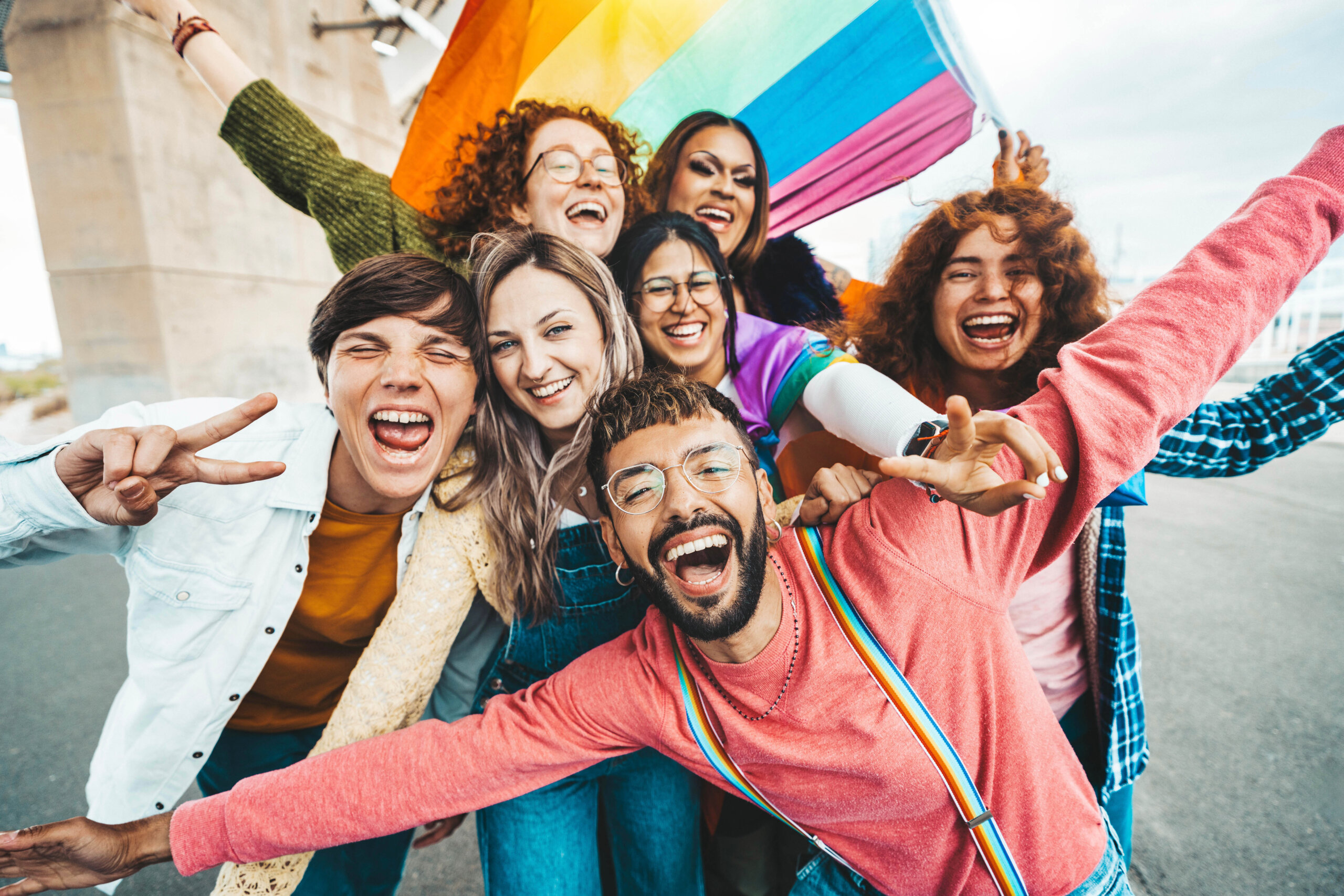
TDOR is a time for remembrance, reflection, and meaningful support. Remembering those who have died should be accompanied by ongoing care for those who are living.
In memory of transgender and gender-diverse people whose lives have been lost to violence.
Work with C+R Research
Want to better understand the experiences and perspectives of LGBTQ+ consumers? C+R Research can help you uncover meaningful insights to inform more inclusive strategies and build stronger connections. Let’s start a conversation.
Sources
- TGEU, Trans Murder Monitoring 2026 update (November 11, 2026)
- Human Rights Campaign Foundation, 2025 annual fatal violence report announcement
- Pew Research Center, Americans have grown more supportive of restrictions for trans people in recent years (February 26, 2025)
- Pew Research Center, How much discrimination do Americans say groups face in the U.S.? (May 20, 2025)
- Trans Legislation Tracker, 2026 passed bills (accessed November 17, 2026)
- GLAAD, Transgender Day of Remembrance history and resources