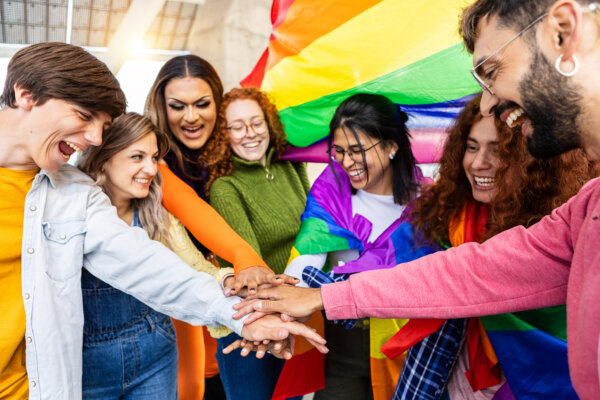
HHM Unidos Through Wellness
How Hispanic Culture Turns Care Into a Collective Practice
Filed Under: Hispanic / Latino, Multicultural

Laura Westraad
Vice President, In-Person Qualitative Research
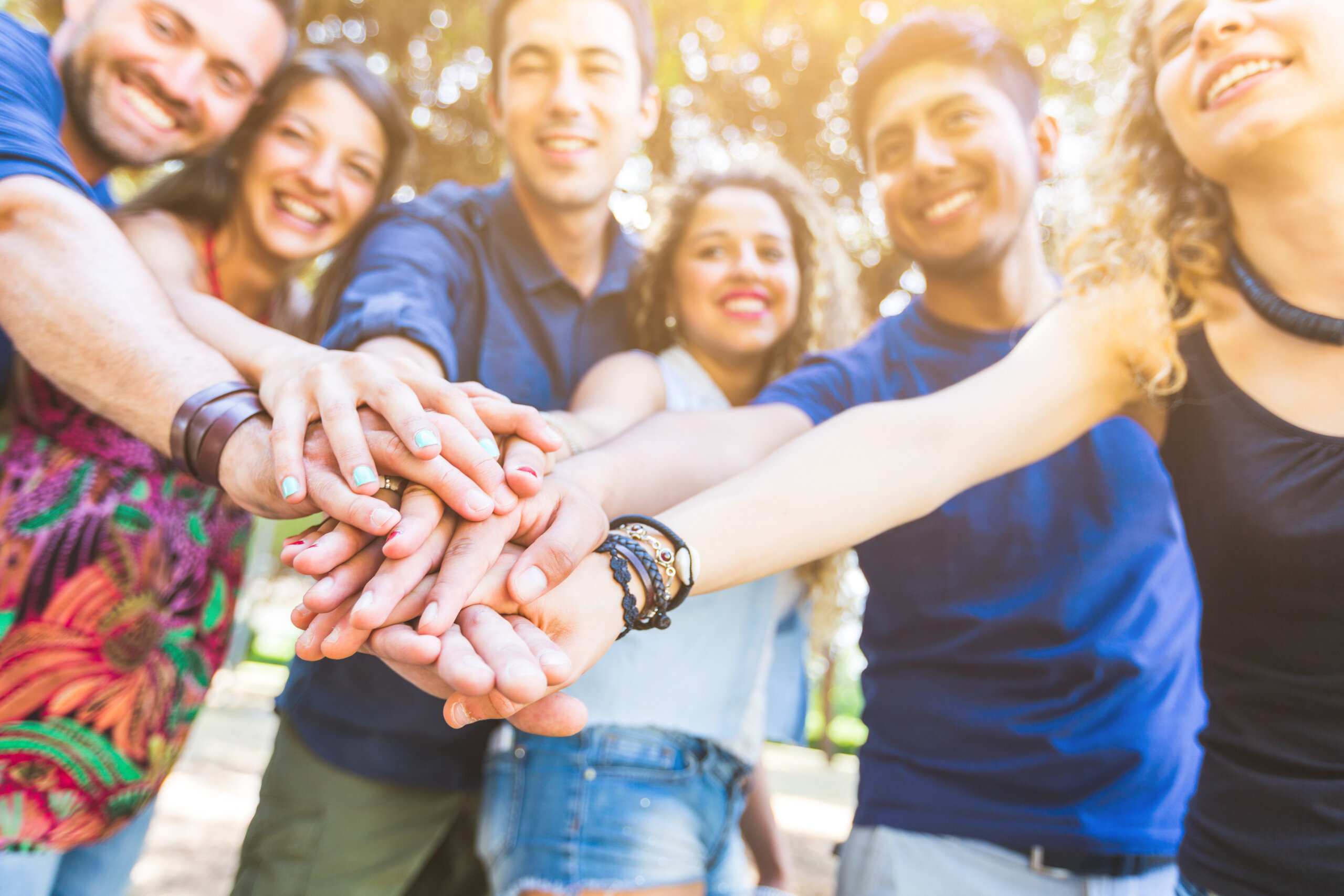
Wellness does not happen in isolation. It is built at family tables, in trusted conversations, through shared language, and across communities that help people feel seen, supported, and connected.
Picture a family gathering: several generations around the table, a familiar dish being passed from hand to hand, and someone asking—not casually, but with real attention—how another person is doing. Advice is offered, stories are exchanged, and care moves through the room. In that moment, wellness is not an individual checklist. It is a communal journey.
For many Hispanic families and communities, this collective view of well-being is woven into everyday life. Health can be shaped by family members who prepare meals, people who encourage others to seek help, shared traditions and values that guide everyday behaviors, the language that allows the most honest expressions, and whether surrounding people and systems feel trustworthy. Physical, emotional, and mental wellness overlap with culture, family, identity, access, and belonging.
Hispanic Heritage Month offers an opportunity to celebrate not only what these communities have contributed, but also how culture sustains people. It is also the foundation of the C+R CultureBeat team’s Hispanic Heritage Month series, Unidos Through Wellness. Across the series, C+R will continue to explore how culture, family, community, traditions, identity, and connection influence the ways people define and experience health and wellness—with a specific focus on the Hispanic community, we will gain a deeper recognition around how wellness is not always an individual pursuit, but is often shaped by the relationships, values, support systems, and sense of belonging that surround everyday life.
That shared care can take many forms—a meal that protects tradition while supporting healthier habits, a conversation in the language that feels most natural, a relative who notices when someone is struggling, or a community organization that makes support easier to find. Together, these moments reveal a more expansive truth: wellness is personal, but it is rarely individual.
Care often begins with the people who know people best
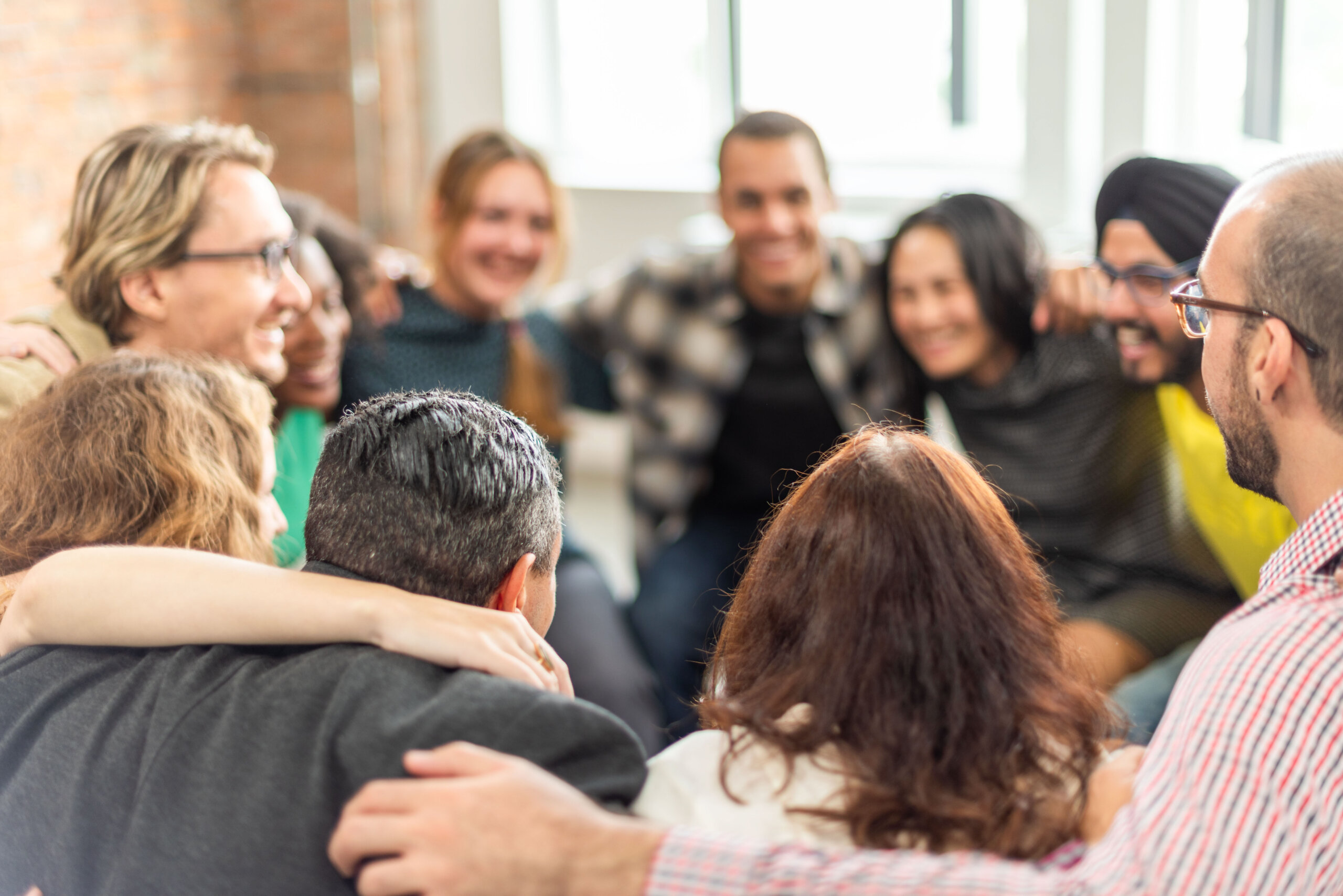
A family member who prepares a lower-sodium version of a favorite dish, joins an evening walk, makes a medical appointment, or checks whether someone has taken medication is doing more than assisting with a health-related task. They are helping to ensure that practiced healthy behaviors feel possible and shared.
Research reflects this dynamic. A study of Latino adults with Type 2 diabetes linked greater family support with more frequent self-management and stronger confidence in managing health. Among rural Latino adults with Type 2 diabetes, support from family and friends was also associated with greater fruit and vegetable consumption and physical activity.
The same principle matters for mental wellness. Support can begin with noticing a change, making time to listen without judgment, sharing a personal experience, or helping someone connect with professional care. Research among Latino adults has found that encouragement from family and friends can influence mental-health help-seeking, showing how trusted relationships can help identify when additional support may be needed.
In families where mental health has not always been discussed openly, a trusted person can help make conversation and help-seeking feel more approachable. Collective care should not replace professional support; at its best, it helps people to seek care sooner and feel less alone along the way.
The Family Table Can Be a Wellness Practice
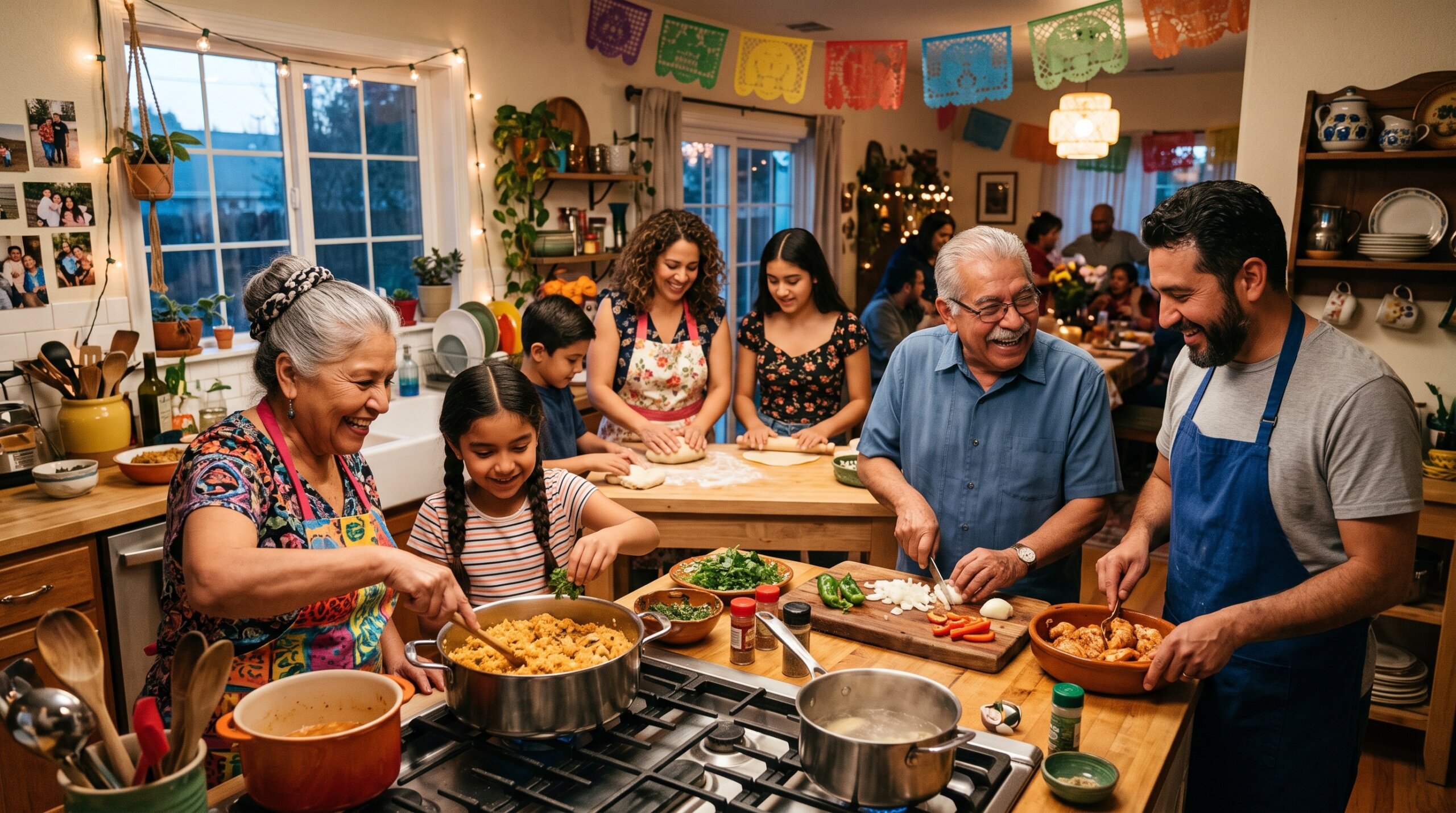
Consider the everyday act of eating together. One person brings a recipe learned from a grandparent. Another adapts it for a new health need. Children hear family stories while helping in the kitchen. The meal nourishes the body, but it also carries memory, identity, joy, and connection across generations.
That combination of nourishment and connection is part of what can make shared meals meaningful to wellness. Research with Mexican and Puerto Rican mothers found that family mealtimes were valued as opportunities to spend time together and connect, even as families navigated changing schedules, technology, and competing demands. The findings help illustrate how the table can serve as more than a place to eat—it can also be a recurring space for strengthening family relationships, supporting everyday well-being, and creating moments of connection that may help ease stress.
In action, collective wellness might mean planning meals as a household rather than assigning one person the burden of “eating better.” It might mean keeping beloved flavors while changing portions or preparation methods, inviting children to choose vegetables at the market, or aiming to set aside time for device-free dinners where people can talk and reconnect.
Of course, the family table can also reveal tension. Health goals must coexist with household preferences, tight schedules, budgets, access to ingredients, and the desire to serve food everyone will enjoy. That is precisely why an individual-only view falls short: lasting change is often easier when the household participates, compromises, and celebrates progress together.
Shared meals are therefore more than a nutrition occasion. They can become a recurring ritual of belonging, a place where people notice one another, pass down culture, and make room for conversations that might not happen anywhere else.
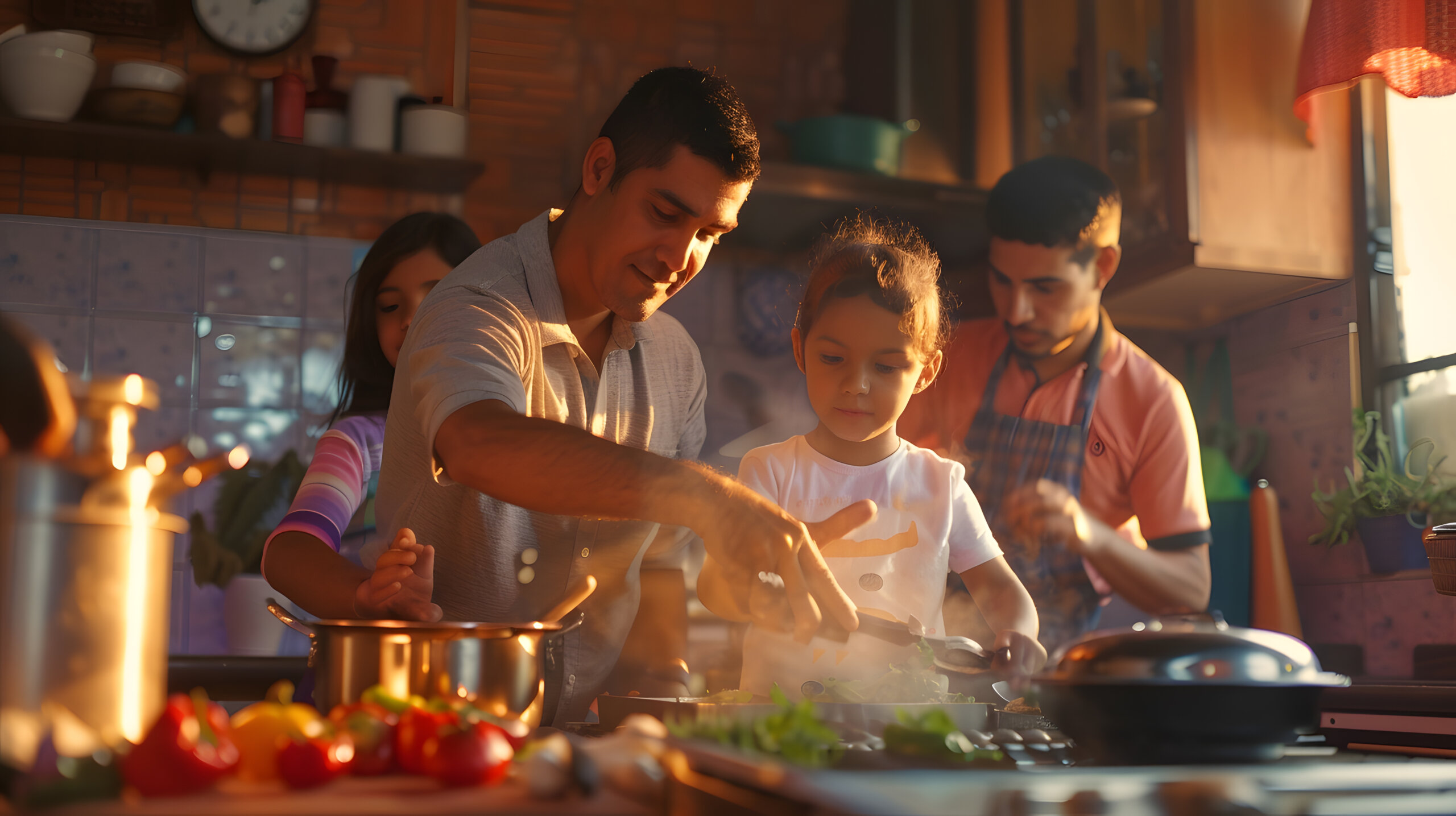
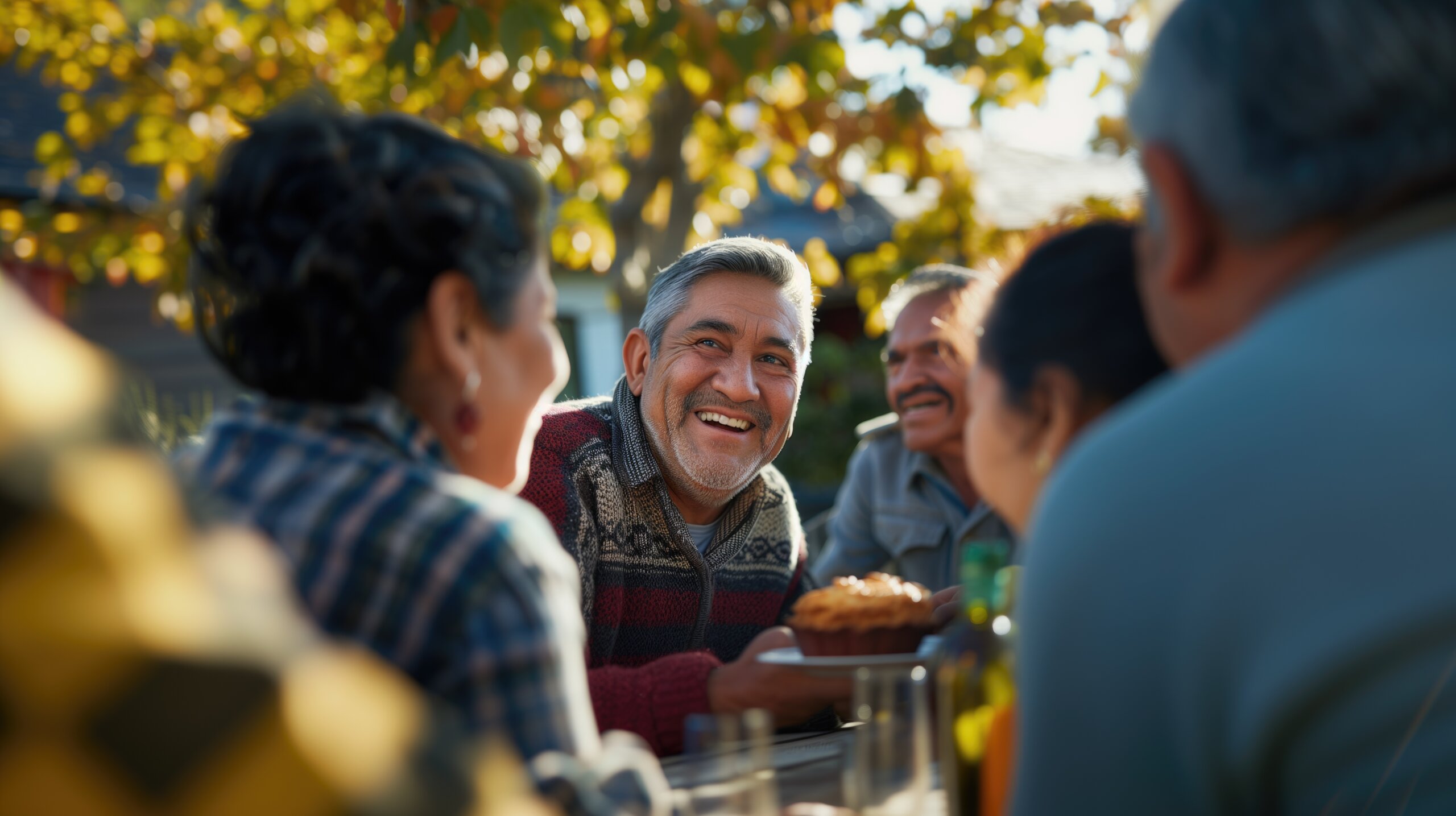
Language is not simply a way to translate information; it can be the bridge that makes a conversation feel human. A person may understand English perfectly and still find that Spanish or a mix of both languages offers more nuance for describing stress, grief, fear, or family dynamics. Being welcomed in a preferred language can reduce the effort of explaining, build rapport, and signal belonging without requiring self-editing to be understood.
That signal matters in healthcare. Pew Research Center found that 44% of Hispanic adults viewed language or cultural communication problems as a major contributor to poorer Hispanic health outcomes in the United States. For mental wellness in particular, culturally aware communication can help people name what they are experiencing, ask questions, and consider support without feeling judged or misunderstood.
In action, this can look like bilingual providers and materials, conversations that recognize cultural context, or trusted messengers who explain resources in familiar settings. It can also mean training staff to listen for meaning rather than relying on literal translation alone.
Those messengers may include friends, faith communities, neighborhood organizations, schools, local businesses, and culturally relevant media. Pew Research Center found that 70% of Latinos surveyed received at least some health information from family and friends or churches and community groups, illustrating how health information can move through trusted networks beyond the healthcare system. They can normalize conversations, point people toward resources, and make formal systems feel less distant. When trust already exists, support has somewhere to land.
But trust alone cannot overcome every barrier. Cost, time, transportation, geography, immigration-related concerns, and availability of culturally responsive care all influence what is realistic. Collective wellness requires both strong relationships and systems designed to meet people where they are.
Design for Collective Wellness, Not only Individual Wellness

For brands, health partners, and community organizations, the implication is not to treat Hispanic consumers as interchangeable or to romanticize family support. It is to understand the network around the individual and design with that network in mind.
That could mean creating tools families can use together; showing culturally familiar foods as part of wellness rather than obstacles to it; offering language choice from the first interaction; partnering with trusted local voices; and making mental-health conversations feel ordinary, respectful, and connected to everyday life.
There is no single Hispanic experience of wellness. Communities span countries of origin, races, generations, languages, family structures, socioeconomic circumstances, and relationships to culture. For some, family is the central support system; for others, care is found among friends, chosen family, neighbors, or community organizations. The point is not that wellness looks the same, but that context and connection matter.
Focusing only on what an individual should do differently misses half the story. A better question is:
What relationships, rituals, language, and resources will help a person feel supported enough to thrive?
That question returns to the family table, the trusted conversation, and the community doorway. Wellness becomes more attainable when people do not have to pursue it alone—when care is shared, culture is respected, and support feels close enough to use.
Throughout Hispanic Heritage Month, Unidos Through Wellness will continue exploring how everyday acts of connection can strengthen physical, emotional, and mental well-being. Wellness may begin with the individual, but it grows through communities.
Work with C+R Research
Understanding wellness in the Hispanic community means understanding the family, culture, and connections around each person. Our CultureBeat team helps brands and health partners listen to multicultural consumers with the nuance, language, and cultural context the work requires. If you want to reach and support Hispanic audiences more meaningfully, explore our qualitative research capabilities or let’s talk about your next study.