
ShopperPulse™ Perspectives
The Real Drivers Behind Payment Method Choices
Filed Under: Shopper, Financial Services, Shopper Journey

Kayla Myhre
Director, Shopper Insights Research
ShopperPulse Perspectives
Payment choices have expanded rapidly in recent years, giving shoppers more ways than ever to complete a transaction. Yet when looking closely at how people decide which payment method to use, some clear patterns emerge. Beneath the surface of innovation, adoption is still grounded in a small set of enduring priorities, while distinct psychological and practical barriers shape where newer and less frequently used methods fit into everyday life.
The Foundation: Security and Acceptance
Across payment methods, protection remains a central requirement. The strongest drivers of payment method choice center on feeling safe and allowing for widespread acceptance:
- Protects me from fraud
- Can be used anywhere I shop
- Is secure / protects my personal information
These table stakes must be satisfied in order for secondary drivers to even be considered. In doing so, methods are then assessed based on rewards like points or cashback and ease of use (both online and in-store). Additional money-saving attributes are subsequent considerations that influence choice, highlighting shoppers’ primary needs when it comes to payment methods.
Familiarity also plays a role. Being “tried and true” still carries weight even as the ecosystem evolves. In contrast, features that often headline payment innovation — novelty, environmental benefits, or anonymity — rank near the bottom in terms of shoppers’ priorities. They may appreciate these attributes, but they rarely outweigh foundational trust.
These primary drivers demonstrate that adoption builds upward from reassurance. Benefits can enhance value, but they cannot compensate for perceived risk or limited acceptance.
Why Some Methods Remain Niche
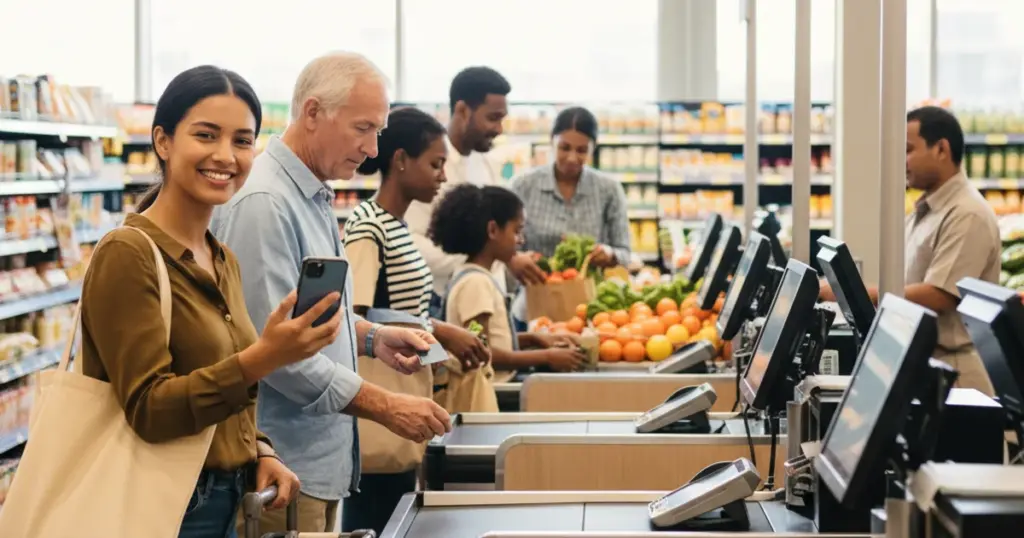
Looking beyond primary payment methods reveals why others are used only occasionally or by a limited subset of the population. The most common barriers cluster into four key themes, the majority of which tie closely to methods with lower adoption and use.
- Futuristic, Tech-Centric
Methods such as cryptocurrency, biometric payments, and some digital wallets face comprehension and trust challenges. Shoppers express uncertainty about how these options work, where they are accepted, and whether the institutions behind them are reliable. Practical friction like difficulty with returns can further halt broader use, even among those curious to try something new.
- Financially Sensitive
Methods including BNPL (buy now, pay later), credit cards, and subscriptions often trigger loss-of-control concerns. High interest rates or fees, fear of damaging credit scores, and worries about overspending create hesitation, especially in tighter budget environments. Their flexibility is appealing, but only when it feels manageable and transparent.
- Benefit-Lacking
Methods like debit cards and cash tend to fall short when compared to other payment counterparts. Without rewards such as cash back, points, or miles, they struggle to compete emotionally with options that offer visible “wins” at checkout.
- Safety Concerns
Closely tied to the risk of theft and fraud when it comes to using cash and debit cards. Despite being some of the most established payment methods, wariness around the safety of physically carrying around can limit its role in routine purchasing, even if it feels familiar.
What This Signals About the Payment Evolution
Together, the data paints a picture of a payment landscape where growth doesn’t simply come from adding features. It comes from removing friction. Shoppers are open to different methods, but usage scales only when financial clarity, trust, and everyday practicality align.
Across methods, those that consistently meet table stakes — strong fraud protection, widespread acceptance, and confidence in data security — are best positioned to earn regular use. Credit cards and established digital wallets tend to perform well because they clear these foundational hurdles first, allowing rewards and convenience to meaningfully differentiate them. Methods that fall short on security perceptions, clarity, or acceptance rarely make it past occasional use, regardless of how innovative and flexible they appear.
“Payment innovation is less about introducing the next new thing and more about reinforcing confidence, making benefits tangible, risks understandable, and usage seamless in real-world routines. When those conditions are in place, new methods are far more likely to move from experimentation to habit.”