
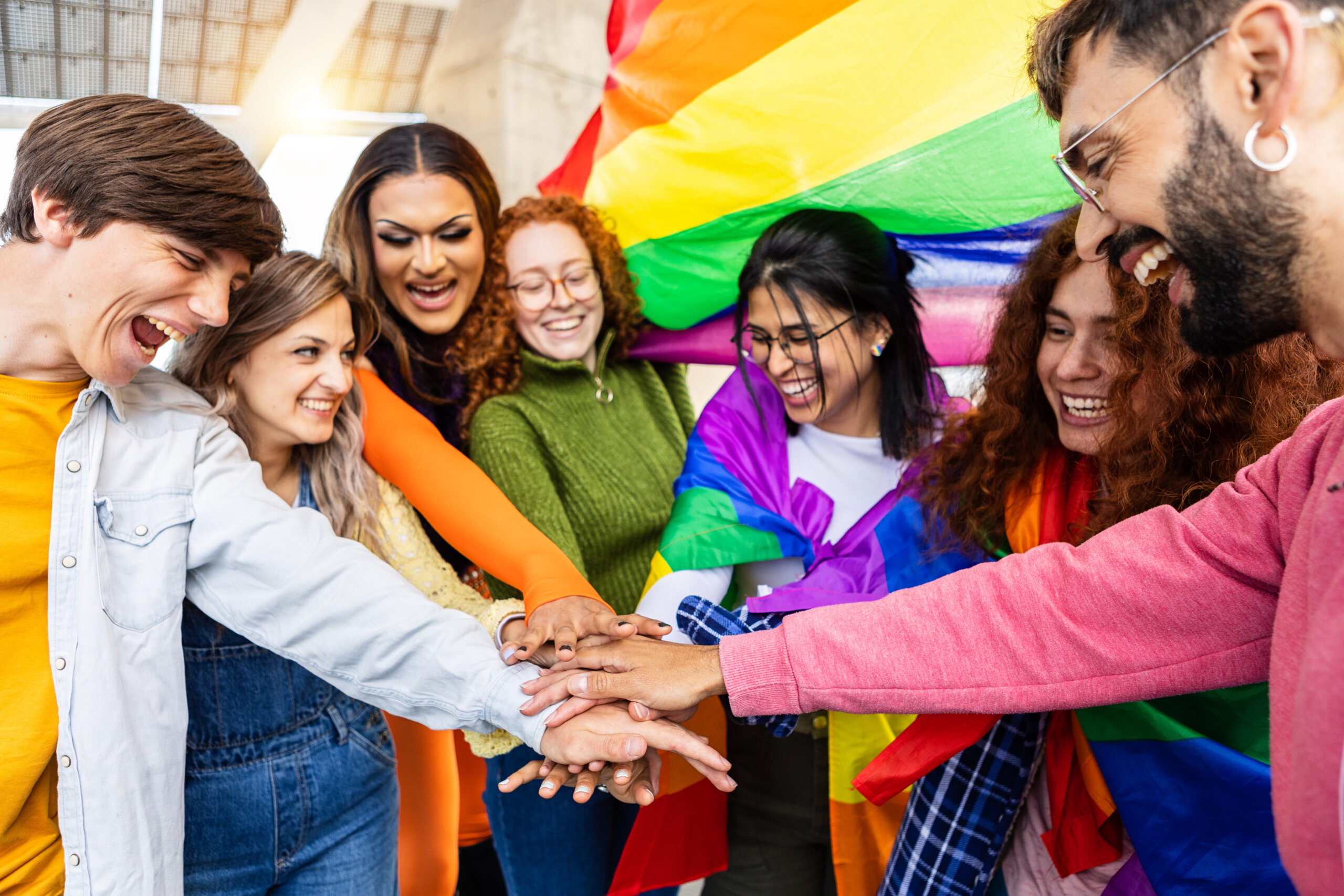
The LGBTQ+ Health & Wellness Experience Series
LGBTQ+ Health and Wellness: Understanding the History Behind the Experience
Filed Under: LGBTQ+, Healthcare, Qualitative Research, Quantitative Research

Anna Rossi
Senior Director, Quantitative Research
LGBTQ+ History Month is an opportunity to recognize the people, milestones, and experiences that continue to shape the community today. In the first blog in the series, we explored how the month began and why education and visibility matter. Now, we are turning to another important part of that history, how the U.S. healthcare system has shaped the LGBTQ+ community’s experiences, perceptions, and trust. This history provides important context for understanding the healthcare experiences and concerns of LGBTQ+ people today.
How History Shaped LGBTQ+ Healthcare Experiences
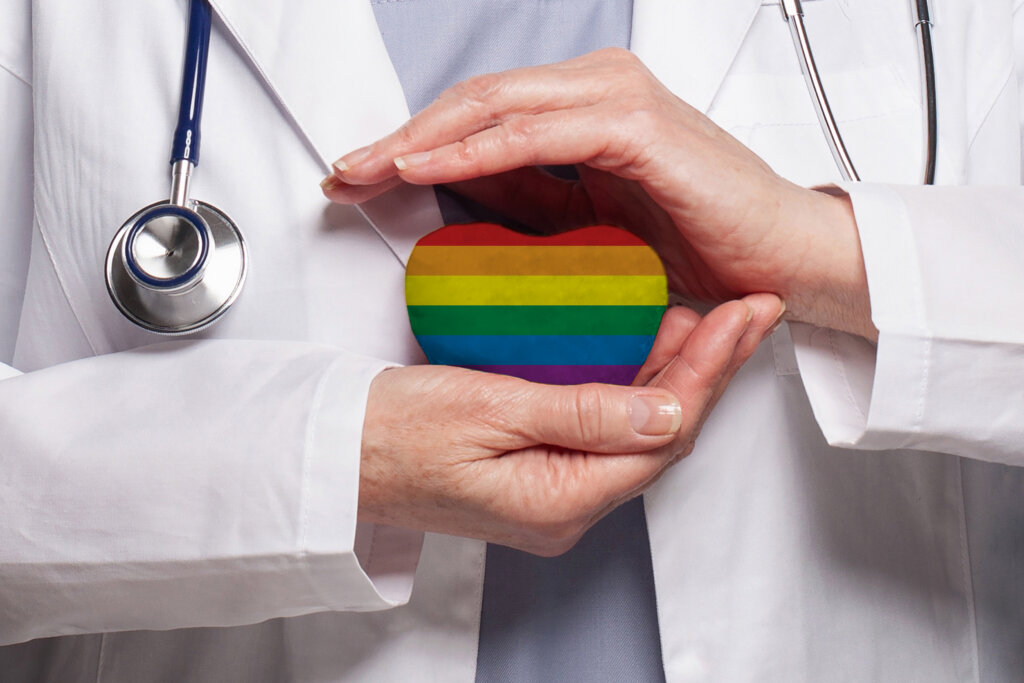
For Pride Month, we introduced the health and wellness series and we explored why fear of discrimination can have LGBTQ+ people delay or avoid healthcare. Understanding those concerns requires looking at the history behind it. And, although LGBTQ+ people have always existed, many had to rely on underground networks, subtle codes, and styles of dress to identify one another to protect themselves from prejudice, discrimination, and criminalization before the social movements of the 1940s through the 1960s, including the Stonewall uprising brought greater visibility to LGBTQ+ life in the U.S.
The progress made toward greater visibility and equality hasn’t eliminated the prejudice and discrimination. Unfortunately, LGBTQ+ people are still experiencing family rejection, documented hate crimes, and ongoing political efforts to restrict their rights, including access to healthcare. These same experiences today also exist alongside a long history of discrimination within the healthcare system, most notably during the AIDS epidemic in the United States in the late 1970s and 1980s.
Although there were sporadic cases around the world before then, very little was known about HIV, the virus that causes AIDS, before it began spreading throughout the United States. When the CDC first recognized that illnesses appearing across the country were connected, it was initially referred to as a “gay disease” or GRID (gay-related immune deficiency) because gay men were one of the primary groups affected.
Initially, little was done to stop the spread of HIV/AIDS or treat those who were sick. And some medical staff wrongly feared they could contract the disease simply through casual contact with people who were sick, with many refusing to treat them. Because the virus was primarily affecting gay men and intravenous drug users, the government largely ignored demands for greater attention and resources to the growing medical crisis, even as thousands of people died.
With very little support available, the LGBTQ+ community stepped up to provide care and advocate for action, with lesbians playing a particularly important role. The Gay Men’s Health Crisis, founded in New York City in 1982, is the oldest HIV/AIDS service organization in the world, providing organized services for those who were becoming ill and being left without sufficient support from the healthcare institutions or the government. Five years later, in 1987, the AIDS Coalition to Unleash Power, or ACT UP, was founded in New York City, and the activists organized demonstrations that drew attention to the crisis and pressured government agencies to respond.
By the late 1980s, awareness had grown that HIV/AIDS wasn’t limited to gay men and intravenous drug users, that straight people could contract and spread the virus. This broader awareness prompted greater research and stronger government response prompted advances in prevention and treatment that drastically reduced HIV transmission and deaths from AIDS.
Although prevention and treatment have advanced significantly, the epidemic and its impact remain. A generation of gay men was devastated and LGBTQ+ equal rights activists had to shift from fighting for equality to fighting for their lives. This crisis brought with it a painful lesson: the LGBTQ+ community learned that it had to rely on itself and on one another rather than on the government or healthcare institutions. Combined with the discrimination and injustice that continue today, this history has contributed to real, understandable, and intergenerational mistrust in the system that still endures.
CultureBeat’s POV

The HIV/AIDS epidemic was a public health crisis and a stark example of what can happen when entire communities are stigmatized, overlooked, or deemed unworthy of attention. For many LGBTQ+ people, it exposed profound gaps in healthcare, media representation, institutional trust, and corporate responsibility. It also demonstrated how community organizing, advocacy, and visibility can drive meaningful change. That history offers an important foundation for understanding what authentic support requires from brands today.
For brands, the is a clear lesson: representation cannot begin and end with a marketing campaign or a Pride Month logo change. The LGBTQ+ community’s relationship with institutions has been shaped by decades of being ignored, misunderstood, or excluded. Building trust requires sustained investment, authentic engagement, and a willingness to show up consistently, including when support is less visible or culturally popular. The actions brands take today can have a lasting impact.
LGBTQ+ consumers continue to evaluate brands through the lens of authenticity, values, and action. To build meaningful relationships and contribute to lasting progress, brands can focus on the following commitments:
- Invest in long-term partnerships, not one-off campaigns, by supporting LGBTQ+ organizations, health initiatives, advocacy groups, and community programs throughout the year.
- Tell stories responsibly by incorporating LGBTQ+ voices and experiences in marketing, research, and content creation in ways that reflect the diversity of the community rather than relying on stereotypes or token representation.
- Address health equity by ensuring information, services, and resources are accessible and relevant to LGBTQ+ people.
- Listen before acting by including LGBTQ+ consumers, employees, and community leaders in research, product development, and decision-making processes.
- Back messaging with policy by supporting inclusive workplace policies, employee benefits, and organizational practices.
The legacy of the AIDS epidemic reminds us that visibility can save lives, representation can shape public understanding, and trust is built through action. Brands that learn from this history have an opportunity to help create a future in which inclusion is meaningful, enduring, and reflected in what they do year-round.
Want to learn more?
Throughout this series, C+R’s CultureBeat team is examining health and wellness within the LGBTQ+ community, including the challenges people face, the moments of joy that support well-being, and the role brands can play in creating a meaningful impact beyond Pride Month. In the next blog, we will continue exploring how historical challenges shape health and wellness today.