
Back-to-School Isn’t What It Used to Be: What Changing Family Life Means for Retailers
Filed Under: Parents, Shopper, Youth & Family, Retail, Path to Purchase, Shopper Insights, Shopper Journey

Amanda Krivanec
Vice President, Quantitative Research
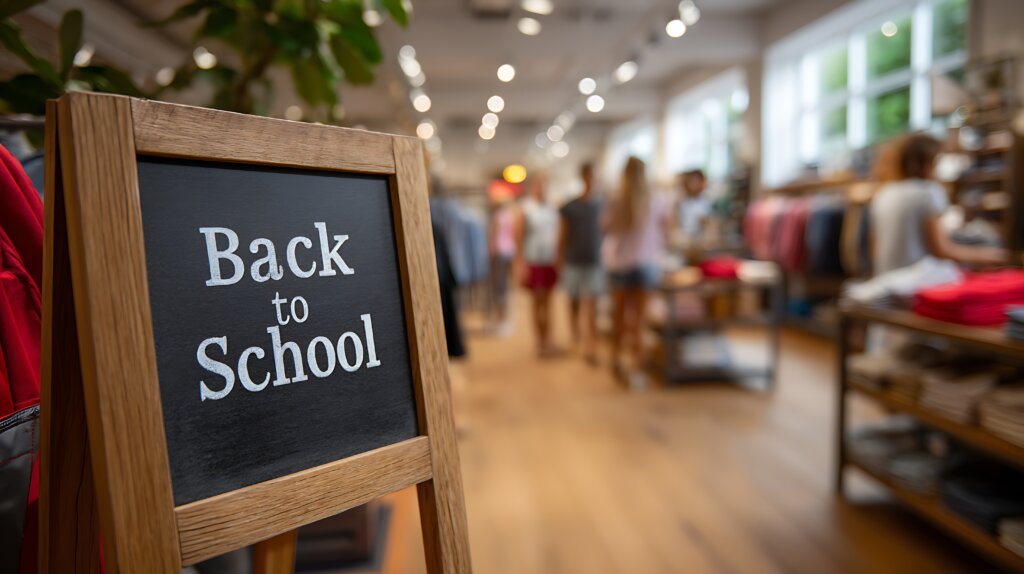
Back-to-school has long been one of retail’s most recognizable shopping seasons. Families stock up on school supplies, clothing, shoes, electronics, lunch items, and everything else that comes with the start of a new school year.
But the families participating in that season are changing – both where they live and how they shop.
Recent demographic shifts show fewer children living in many large U.S. cities. According to a recent article from the The Wall Street Journal, the population of children under 18 in major U.S. cities declined 6% over the past decade, while the population under age 5 declined 15%. At the same time, Census data show the U.S. child population has been declining nationally as the country ages.U.S. Census Bureau
For retailers, those shifts raise a bigger question than where to stock backpacks and notebooks: Does back-to-school still look the same for the families they serve?
The population of children under 18 in major U.S. cities has declined 6% over the past decade, while the population under age 5 has declined 15%.
The Back-to-School Shopper Is Changing
Family populations are becoming less evenly distributed across markets. A store that once served a neighborhood with a high concentration of young families may now serve more singles, couples without children, or older households. Another location may be serving a growing population of families with school-age children.
Those differences can change demand well beyond traditional school supplies. Apparel, snacks and lunchbox foods, sporting goods, electronics, personal care, family meal solutions, toys, and other categories are all connected to family life.
That makes understanding the local shopper increasingly important. Retailers need to know not only how many families live near their store, but which family life stages are represented and what those households need today.
Geography is only part of the change.
Back-to-School Is Becoming a Series of Shopping Missions
For many families, back-to-school may no longer be one large shopping trip. Some purchases can now be completed almost instantly, while others are delayed until they are actually needed.
Retailers have built convenience directly into the season. Target’s School List Assist lets families find a school-specific supply list online and add needed items in one click. Walmart’s 2026 back-to-school program similarly emphasizes digital shopping, delivery, pickup, and other options designed to save families both time and money.
Timing is changing too. JLL’s 2026 Back-to-School Survey found that 47% of parents planned to buy only what their children needed to start the school year and replenish items later. Parents also expected to spend an average of $489 per child, up 11.7% from 2025, while continuing to weigh value, selection, and convenience.
That can create very different missions within the same household. School supplies may be ordered online in minutes. Fall clothing may wait until temperatures change. Shoes, backpacks, or a first-day outfit may still be purchases children want to help choose in person.
For brands and retailers, the question becomes less about whether back-to-school is online or in-store and more about which channel best fits each task – and how those tasks connect across the full journey.
Parents expected to spend an average of $489 per child on back-to-school, up 11.7% from 2025 — while 47% planned to buy only what their children needed to start the year and replenish later.
When Convenience Removes the Chore, What Becomes the Experience?
The easier the functional parts of back-to-school become, the more interesting the remaining experiences may be.
If pencils, folders, and classroom basics can be purchased with a few clicks, families may have more freedom to decide which parts of the season are worth doing together. A parent may have little attachment to shopping for glue sticks, but choosing a backpack, shoes, or a first-day outfit can carry a different kind of value.
There is also a cultural signal worth watching: 1990s nostalgia. Parents’ 2026 back-to-school trend coverage points to ’90s-inspired fashion and analog habits carrying into the school year after a broader wave of interest in recreating a more unplugged ’90s-style childhood. Earlier coverage of the trend cited an Instacart/Harris Poll in which 71% of parents said they reminisce about their childhood summers and want to give their kids a similar experience.
That does not prove parents are returning to stores because of nostalgia. It does suggest an interesting hypothesis: as convenience makes routine purchases easier, could some families place more value on the shopping experiences that feel memorable, participatory, or connected to their own childhoods?
For retailers, understanding which tasks families want to simplify and which they still value as an experience may be just as important as understanding where the transaction happens.
“71% of parents say they reminisce about their childhood summers and want to give their kids a similar experience.”
Back-to-School Is a Window into Family Life
These changes extend well beyond August and September. Children and families create shopping occasions throughout the year, and those occasions evolve as children age, household structures change, routines shift, and families move through different life stages.
Two markets can contain similar numbers of households with children yet produce very different shopping behaviors. Children’s ages, household income, cultural background, family structure, work arrangements, and everyday routines can all influence what families buy, where they shop, and what they prioritize.
Demographic data can identify where family populations are changing; shopper research helps explain what those families are trying to accomplish and how decisions get made. C+R’s Gen + Life research practice adds another layer that considers generation alongside life stage, recognizing that age alone does not fully explain consumer behavior.
That can help brands and retailers ask better questions:
- What do families in this market look like today?
- Which shopping missions are changing or disappearing?
- Where are families prioritizing convenience?
- Which purchases still feel meaningful to parents and children?
- How should assortment, messaging, channels, and experiences adapt?
Back-to-school provides a visible example of a much broader shift. As family geography, routines, and shopping behaviors evolve, brands and retailers have an opportunity to build a deeper understanding of the families they serve and design experiences around how those families actually live and shop today.